Zemog. Brazilian artist in the dela.art collection
Square Bonfim (2025) is a work made entirely of ribbons worn during Brazil’s Bonfim Festival. Traditionally tied around the wrist, these colorful ribbons serve as talismans, with the words printed on them conveying wishes. When a ribbon falls off naturally, it is believed that the wish has come true, and the object, having fulfilled its purpose, is no longer needed.
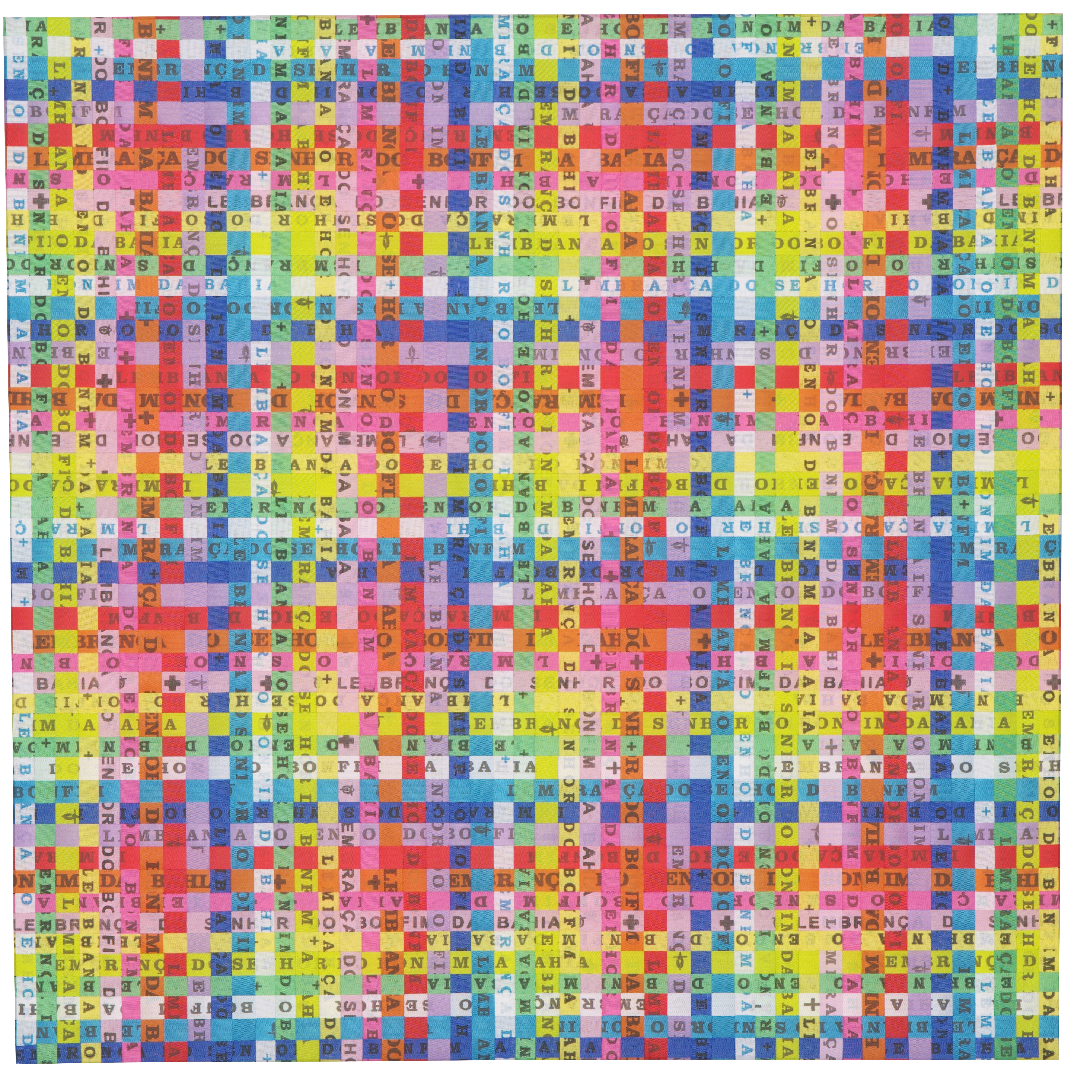
Zemog, Square Bonfim, 2025, weaving with Bonfim ribbons
Zemog breathes new life into these elements by weaving them into a compact geometric structure. The language present in the printed texts is deconstructed and transformed into a visual rhythm. This gesture can be interpreted as a reference to concrete poetry, where meaning yields to the materiality of the sign.
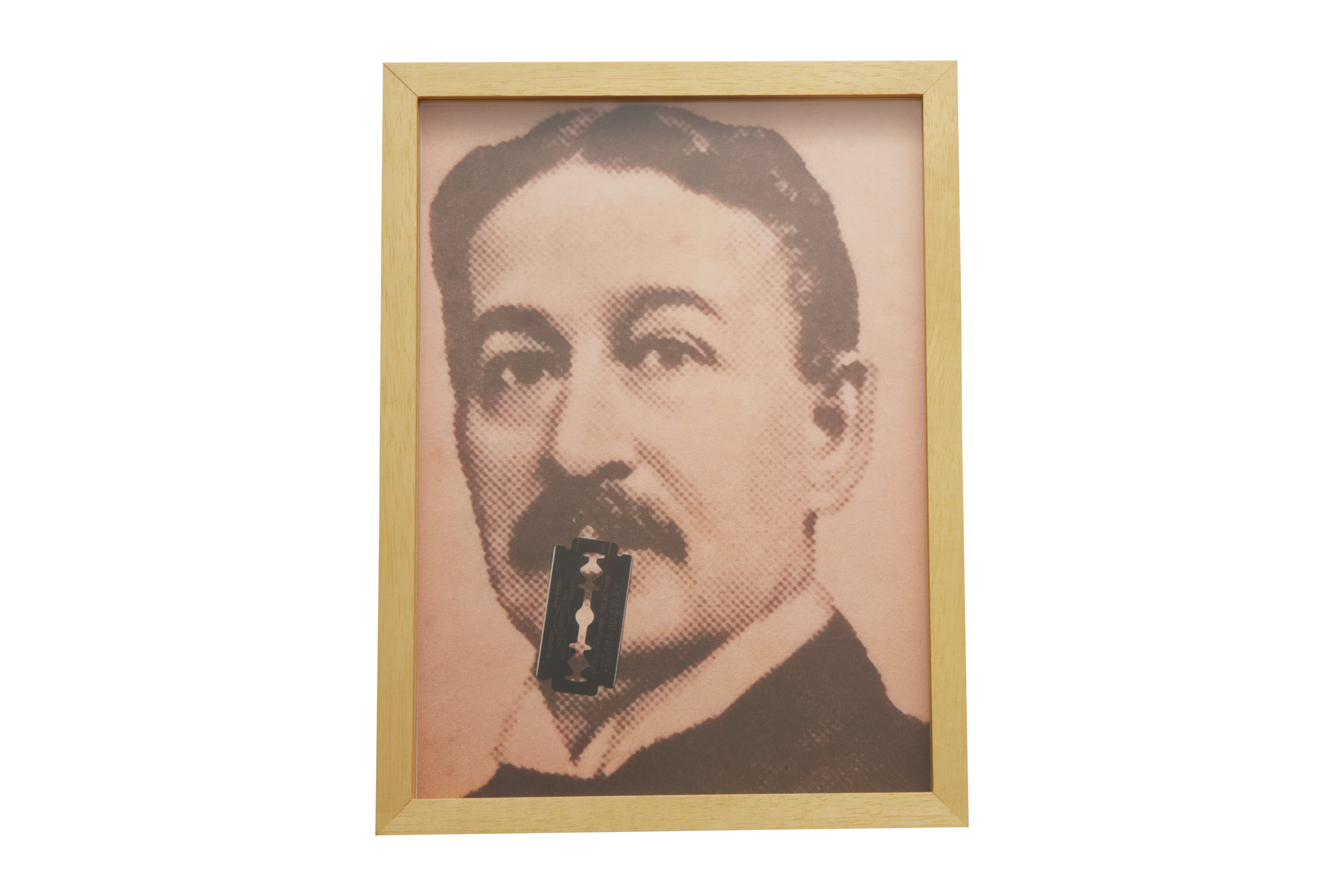
By contrast, the works Blueblade Arabesque / Yellow (2018) and Monsieur Gillette (Official Portrait) (2018) engage in a dialogue with art history and popular culture. They pay homage to Pop Art and its use of symbols from mass culture. Gillette, as the first globally recognizable brand of disposable razor blades, becomes both an icon of everyday life and a source of artistic inspiration. Packaging from disposable products is transformed into a composition reminiscent of an arabesque, blending industrial seriality with artistic imagination.
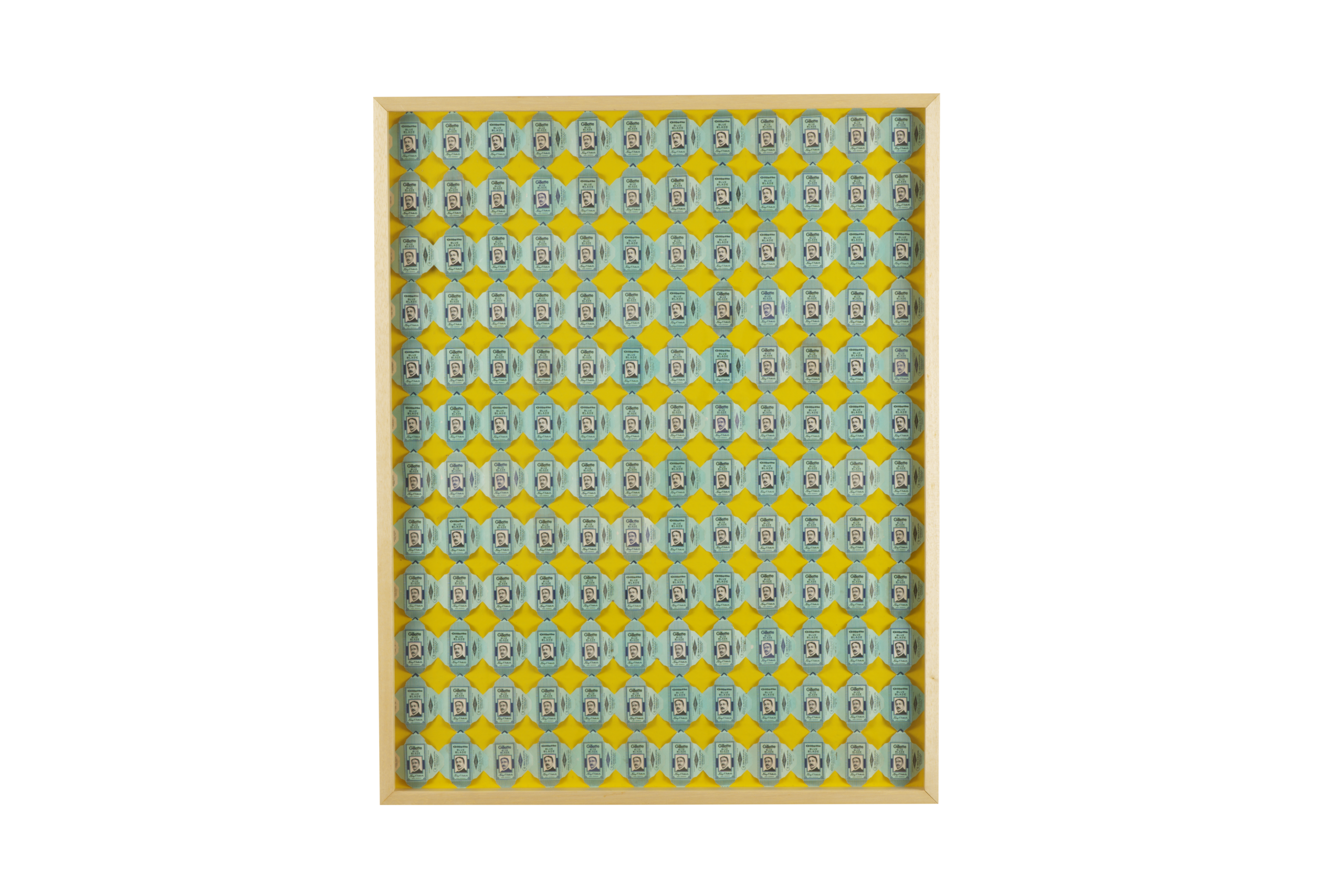
Zemog, Blueblade Arabesque / Yellow, 2018, collage and painting
Zemog, Monsieur Gillette (Official Portrait), 2018, fineart print
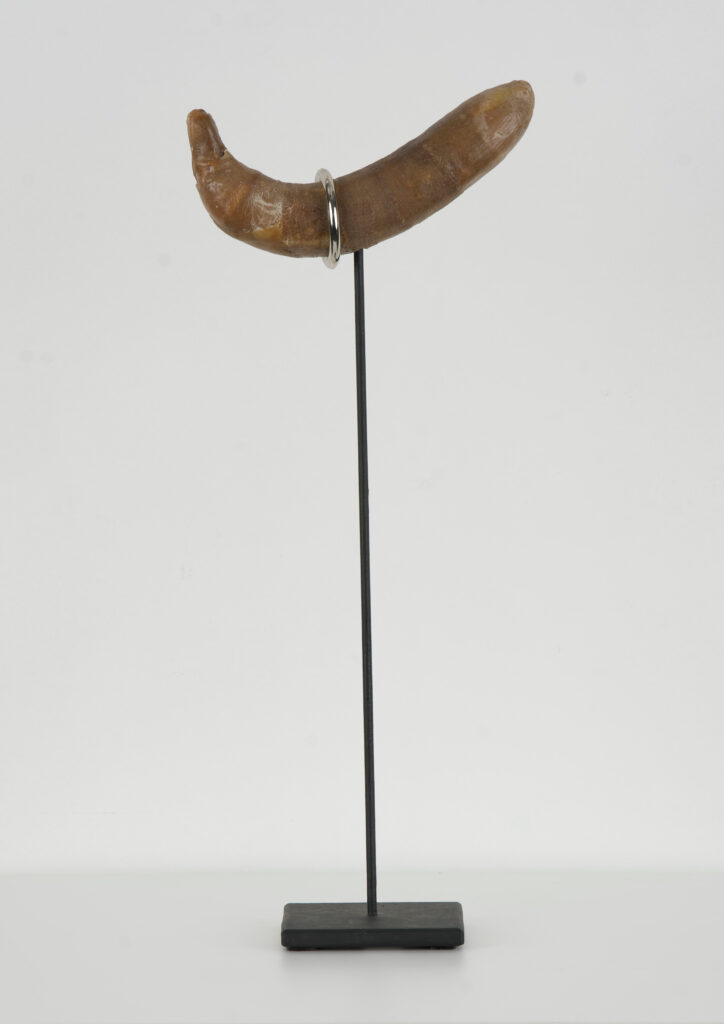
Zemog, Banana Mumia, 2025, beeswax and fabric
As he explains it, “Art is always a form of representation, and for me, it primarily concerns time. Mummification is a way of preserving, but also of sacralizing things.”
While Maurizio Cattelan’s famous banana highlights the ephemerality of contemporary art and mocks its impermanence, Zemog performs the opposite gesture – symbolically conserving what is fleeting in art and granting the work an almost ritualistic status.
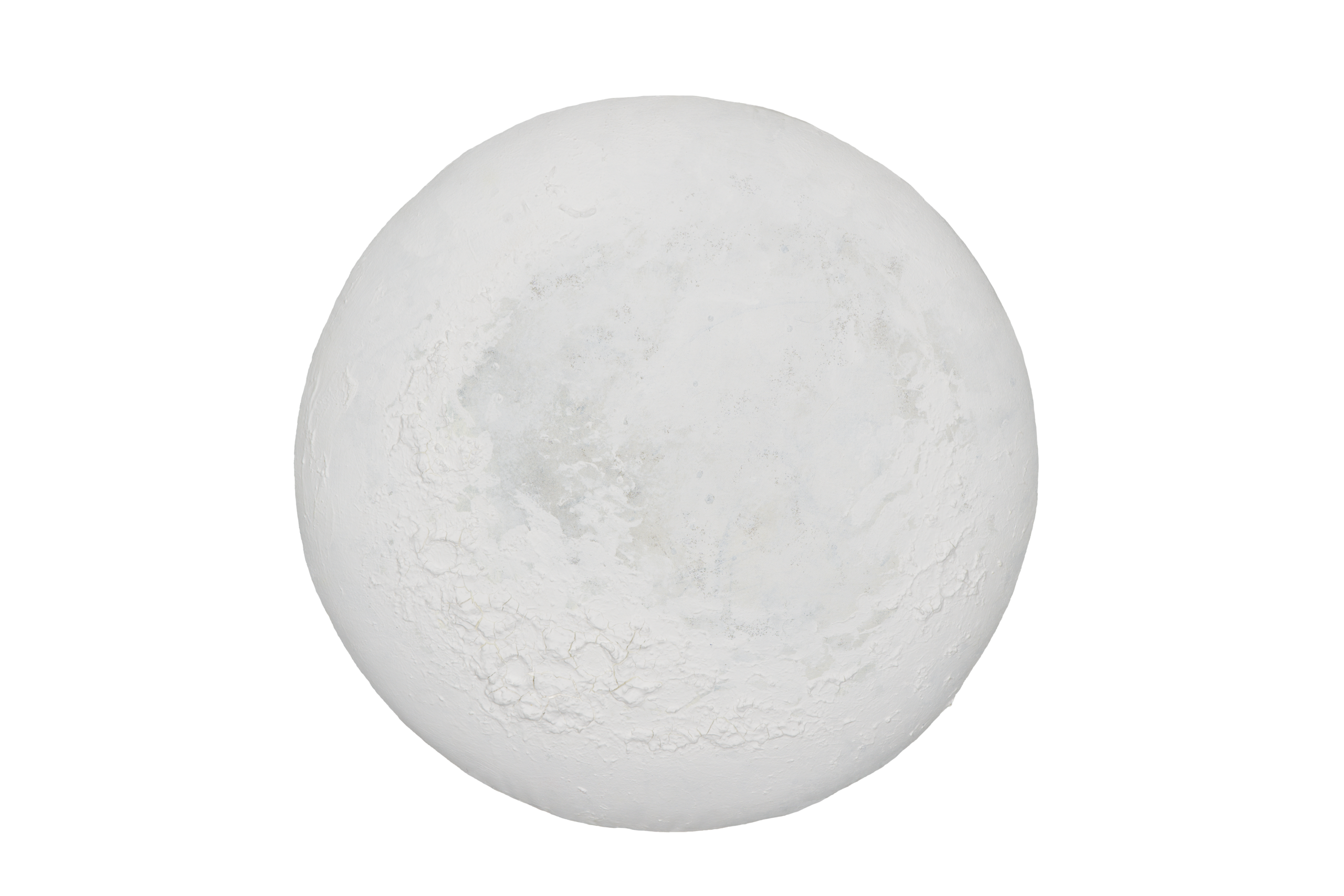
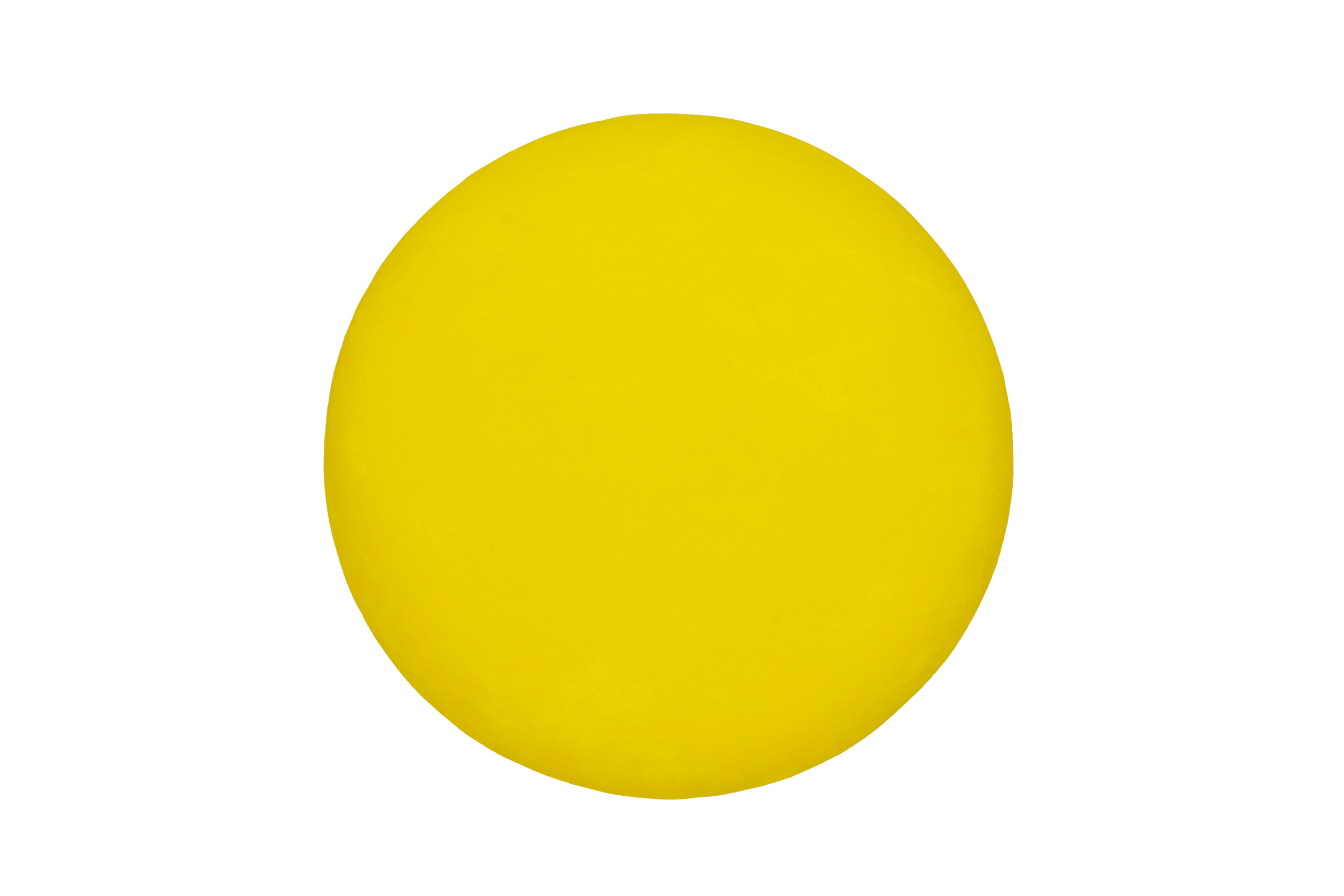
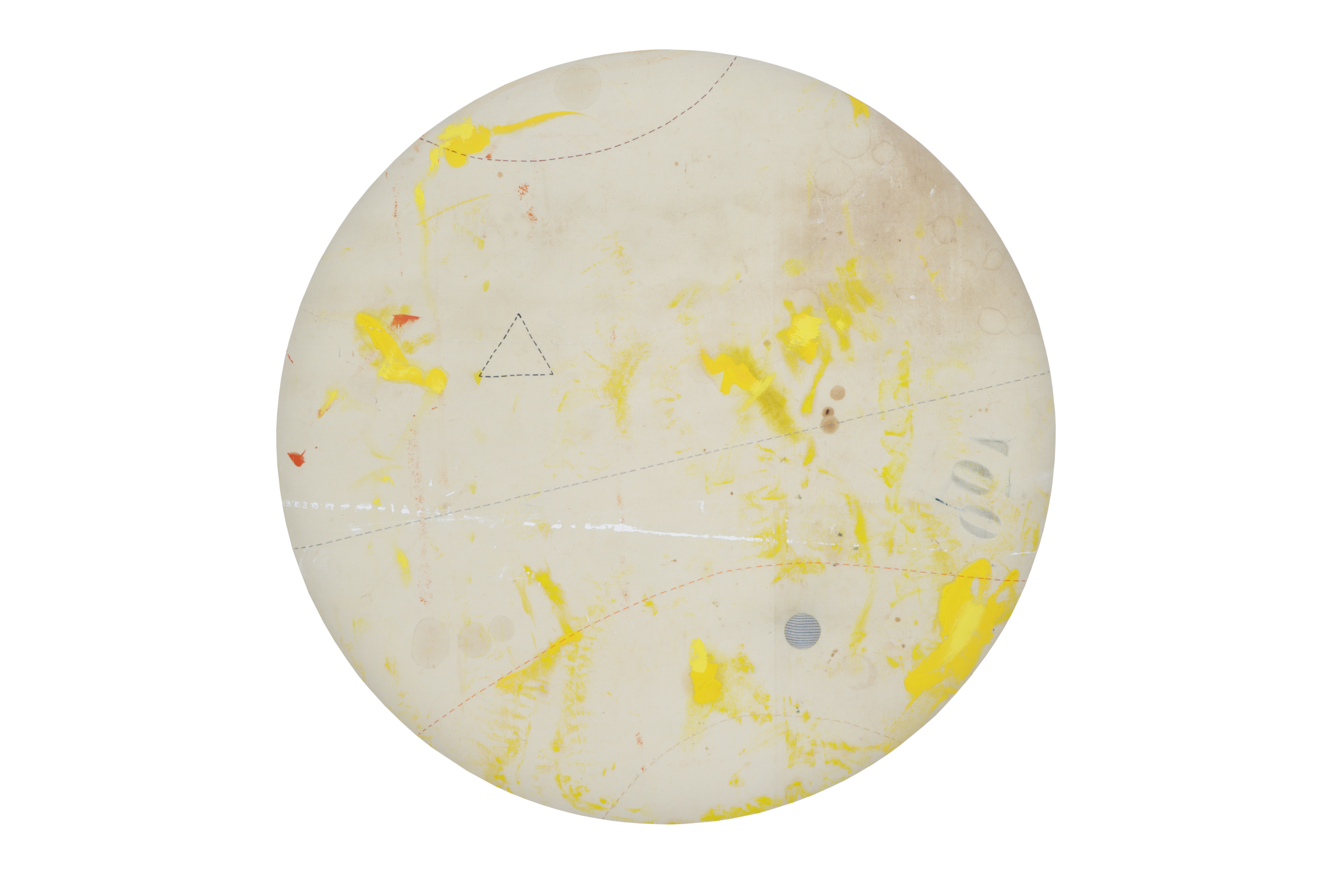
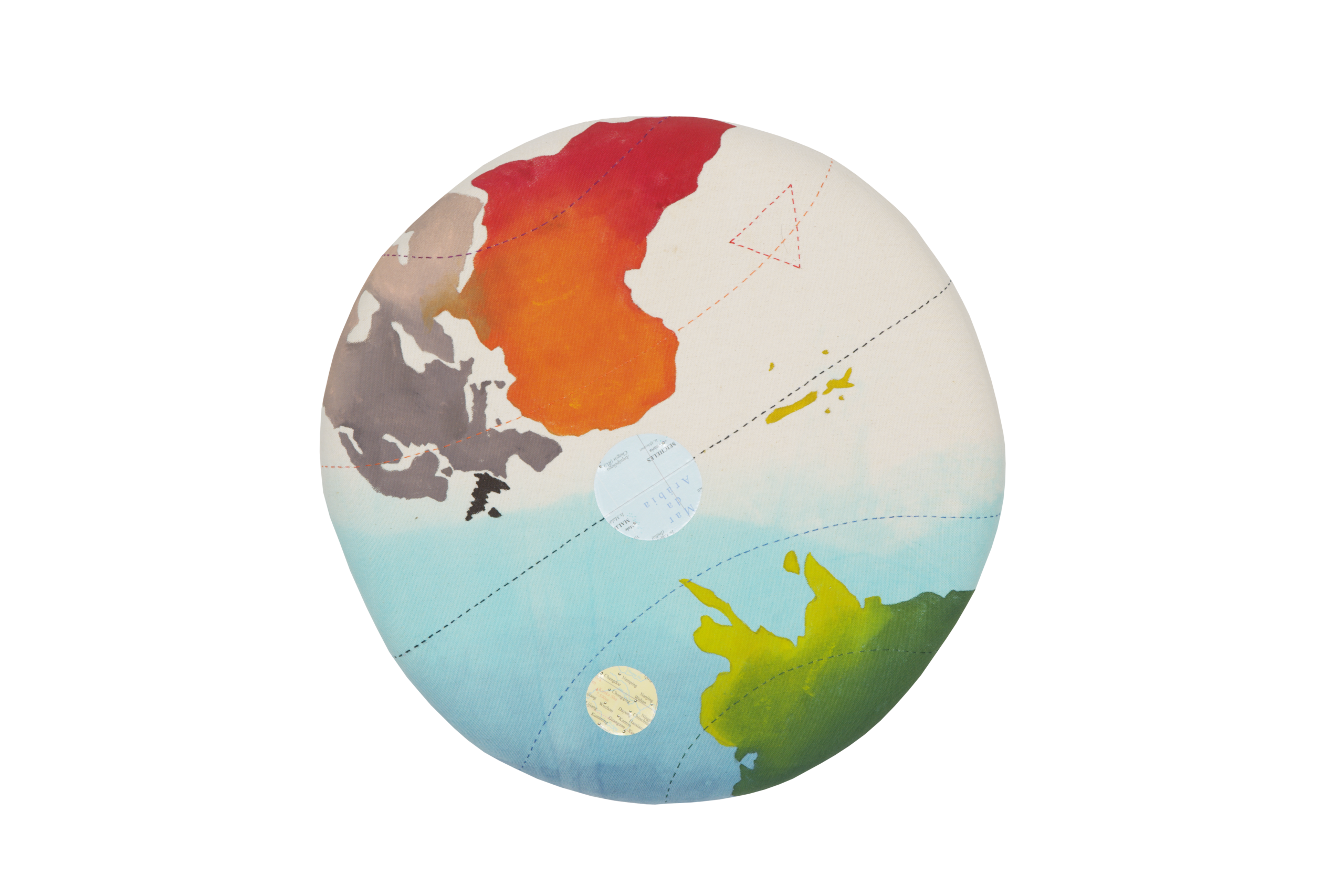
The cosmic dimension of the artist’s practice is expressed through a series of circular works:
Midday Moon (2025), Midnight Sun (2025), Sirius Canis Major Dog Star (2025), and Disconcerted World (2025).
According to Zemog, these pieces represent the archetype of the circle within a comprehensive cyclical order, embodying the energy of movement and rotation. Rather than realistic depictions of celestial bodies, they serve as visualizations of a cultural imagination of the cosmos, shaped over centuries through symbols and associations. In these works, the circle functions as a symbol of transcendence, a focal point of concentration, and simultaneously, a representation of infinite motion.
Despite its formal diversity, Zemog’s work remains closely aligned with the core interests of the dela.art collection: recycling art and unconventional artistic materials, reflecting on the archetype of the mandala and the symbolism of the circle, and engaging in a dialogue with the history and language of contemporary art.
Zemog’s practice centers on transforming existing objects and meanings, while uncovering the symbolic and cultural potential embedded in everyday materials.
More about: